
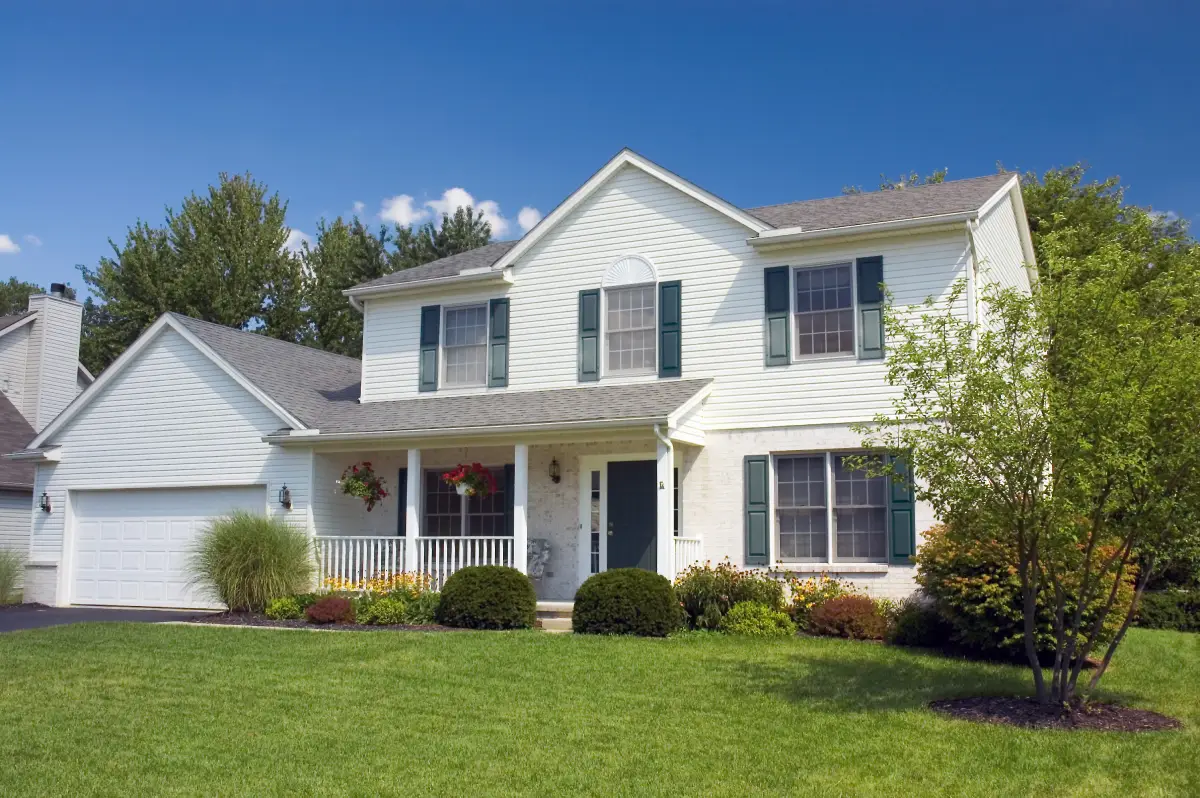
After enough leasing cycles, property owners start noticing which assets quietly stay on track and which ones constantly need intervention, and insights from choosing the right assets can make those patterns easier to spot early. In Orlando, residential investors often find that single-family rentals align better with predictable operations, clearer tenant expectations, and long-term planning.
Multifamily properties can look efficient during acquisition, yet everyday ownership brings shared systems, overlapping concerns, and timing challenges that demand attention. Single-family homes eliminate many of those complications before they begin, creating an operating environment that feels more controlled and less reactive.
Below, we’ll walk through why single-family rentals continue to outperform multifamily properties for many Orlando investors, how tenant behavior reinforces that advantage, and what to consider when building a residential-only portfolio.
Key Takeaways
- Single-family rentals reduce operational strain by limiting shared spaces and systems.
- Private outdoor areas support stronger tenant retention in Orlando neighborhoods.
- Adaptable layouts help households stay longer as needs change.
- Neighborhood-based pricing reduces pressure from internal unit competition.
- Maintenance planning stays more predictable when issues affect one household.
Fewer Shared Spaces Lead to Fewer Interruptions
Single-family rentals tend to feel calmer because fewer daily issues escalate into management problems. With one household occupying the entire property, responsibilities stay clearer and conflicts are easier to avoid.
Lower friction between neighbors
Shared stairwells, parking areas, and hallways can turn small disagreements into repeated complaints. Single-family homes avoid many of those flashpoints, which keeps communication focused and limited.
Clear ownership boundaries
When a tenant controls the yard, driveway, and entry, expectations are simpler. That clarity often leads to faster resolutions and fewer misunderstandings.
Keeping an eye on broader shifts also helps owners make smarter decisions. Reviewing local market trends can add context around renter demand and neighborhood performance.
Outdoor Space That Encourages Longer Stays
Outdoor space plays a larger role in rental decisions than many investors expect. In Orlando, usable yards, patios, and porches often influence whether a renter sees a home as temporary or long term.
Why outdoor access matters locally
Warm weather supports outdoor living for much of the year. Renters value space they can use without scheduling or sharing, especially families and pet owners.
A few outdoor features that often support retention include:
- Fenced yards that simplify pet routines and privacy
- Driveways or garages that reduce parking disputes
- Private entrances that improve comfort and security
When outdoor needs are met, tenants are more likely to renew rather than search for another property.
Floor Plans That Adapt as Life Changes
Single-family homes often provide layouts that grow with tenants. That flexibility helps reduce turnover tied to lifestyle changes rather than dissatisfaction.
Rooms with multiple uses
Extra bedrooms, flex spaces, and dining areas can shift into offices, guest rooms, or study areas. When a home still works after a tenant’s routine changes, renewal conversations become easier.
Stability-driven renters
Many renters choosing single-family homes prioritize quiet streets, school continuity, and room to settle in. That mindset often translates into longer lease terms and lower vacancy risk.
Investors refining their acquisition criteria may benefit from insights shared in development planning tips, especially when evaluating layout and long-term usability.
Pricing Power Without Internal Competition
Pricing pressure looks different depending on property type. Multifamily properties often compete with themselves, while single-family homes operate in a wider competitive field.
Multifamily pricing challenges
When multiple similar units become available, pricing adjustments can cascade quickly. One concession can force another, shrinking margins.
Single-family pricing flexibility
Single-family homes compete by neighborhood appeal, condition, parking, and outdoor space. That allows owners to adjust pricing based on value rather than reacting to an identical unit nearby.
National data reinforces demand for detached housing, with the median existing single-family home price reaching $426,800 in the third quarter of 2025.
Maintenance That’s Easier to Plan
Maintenance planning improves when problems stay contained. Single-family rentals usually isolate repairs to one household, which simplifies scheduling and budgeting.
Fewer cascading repairs
Shared plumbing lines, common electrical systems, and building-wide HVAC can turn one issue into multiple disruptions. Single-family homes avoid that complexity.
Cleaner budgeting cycles
With one home and one system set, reserve planning becomes more straightforward. Owners can forecast expenses with greater confidence.
For investors exploring value-add opportunities, reviewing distressed property options can help align renovation planning with long-term maintenance expectations.
Rent Trends Favor Space and Privacy
Renter preferences continue to support single-family pricing. Many households willingly pay more for privacy and autonomy.
Zillow reports single-family rents are 20% higher than multifamily rents, reflecting how renters value the detached-home experience.
What that means in Orlando
Homes offering space for remote work, pets, and hosting tend to attract committed renters. That demand supports steadier occupancy and stronger renewal rates.
Sourcing Homes With Confidence
Finding the right single-family rental requires more than a good price. Operability, tenant fit, and long-term upkeep all influence performance.
Build a smarter acquisition filter
Look beyond listing photos and focus on durability, access, and layout efficiency.
Key considerations include:
- HVAC age and service history
- Parking availability and street layout
- Drainage and exterior maintenance needs
For alternative acquisition paths, real estate auction insights can provide perspective on sourcing opportunities outside traditional listings.
How We Support Residential Investors
At PMI Prime Home, we focus strictly on residential properties in Orlando, helping owners maintain consistent systems that support growth without chaos.
Repeatable systems matter
Clear screening, structured leasing, proactive maintenance coordination, and performance reporting help portfolios stay organized as they expand.
Our approach emphasizes consistency so each new property fits into an established process rather than creating new complications.
FAQs about Single-Family Rentals in Orlando, FL
What renter features tend to drive faster leasing for single-family homes in Orlando?
Homes with practical layouts, reliable climate control, and private outdoor space often attract quicker interest, especially from households prioritizing comfort, privacy, and long-term living rather than short-term convenience.
How important is parking availability for Orlando single-family rentals?
Parking plays a meaningful role in tenant decisions, particularly in neighborhoods with limited street access. Driveways or garages can reduce friction, improve daily convenience, and make a property more appealing to multi-vehicle households.
Do single-family rentals perform better in certain Orlando neighborhoods?
Performance often improves in areas with consistent residential demand, access to major roadways, and proximity to schools or employment centers, where renters value routine, accessibility, and neighborhood stability.
How does insurance planning differ for Orlando single-family rentals?
Insurance considerations typically focus on wind coverage, roof condition, and flood exposure. Clear property boundaries can simplify liability assessment compared to properties with shared amenities or common-use areas.
What role does property age play in rental performance?
Newer homes may reduce early maintenance needs, while older properties can perform well when systems are updated. Rental success often depends more on condition, layout, and upkeep than on build year alone.
Where Orlando Portfolios Gain Momentum
Long-term results often follow when structure replaces guesswork. Single-family rentals support that shift by keeping operations contained, expectations clear, and decisions easier to manage.
PMI Prime Home supports residential investors by bringing order to acquisition, leasing, and long-term oversight across Orlando. Chart a smarter purchase path by visiting our buyer services and move ahead with a plan that stays focused and adaptable.
