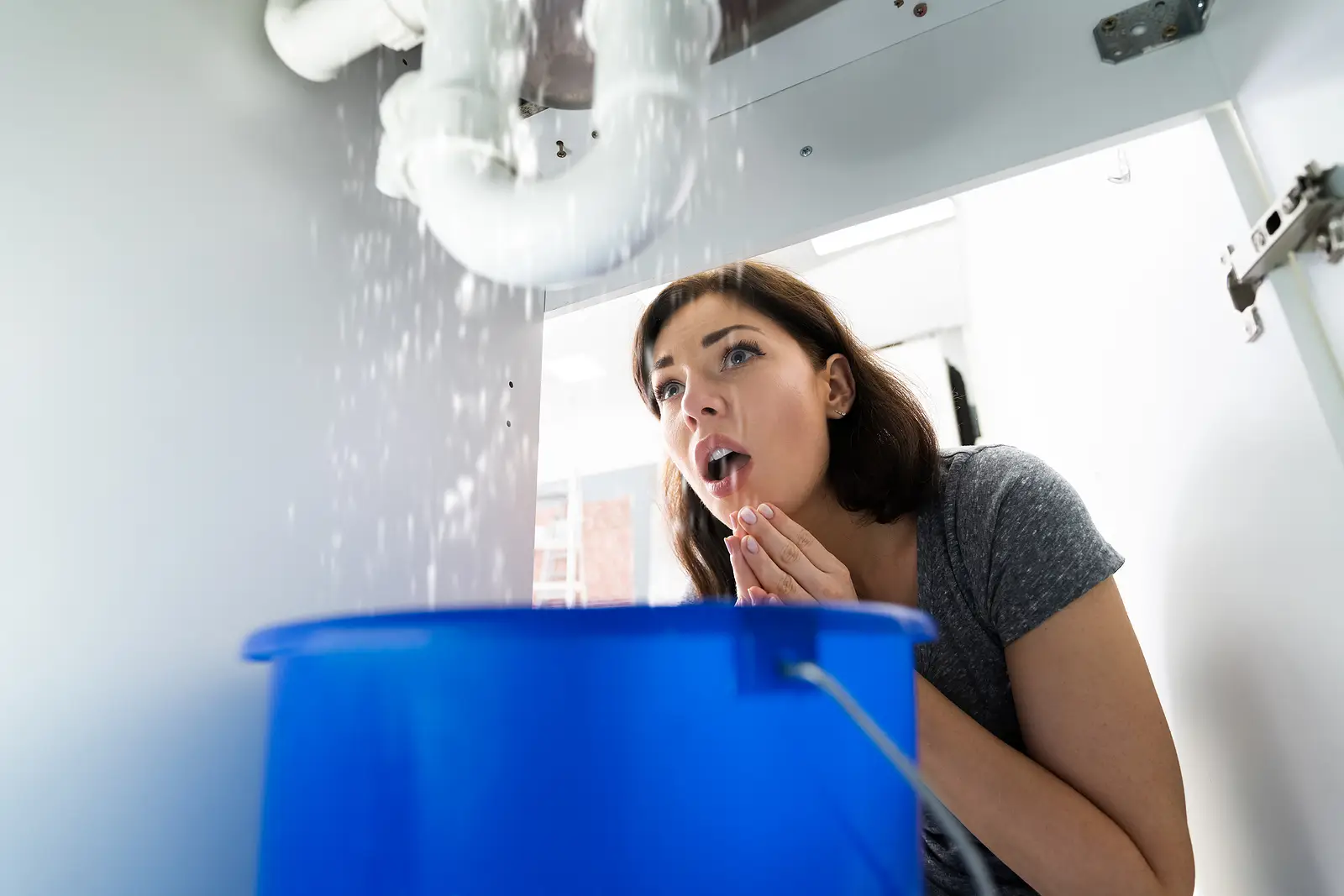
A repair gets handled, then it shows up again weeks later. It might seem like bad timing at first, but when the same issue keeps returning, it usually points to something deeper. With our rental systems approach, we often see how these patterns develop and how they impact long-term results.
In Orlando’s residential rental market, repeated repairs don’t just create inconvenience. They slowly raise expenses, take up valuable time, and affect how tenants feel about where they live. Recognizing these patterns early helps you move from constant fixes to lasting solutions.
Key Takeaways
- Repeated repairs often signal deeper system issues
- Temporary fixes increase long-term maintenance costs
- Delayed upgrades lead to frequent breakdowns
- Consistent repairs improve tenant satisfaction
- Proactive maintenance reduces long-term expenses
Recurring Repairs Usually Have a Root Cause
When a repair request shows up more than once, it’s rarely a coincidence. Most recurring issues connect back to something that wasn’t fully resolved the first time.
Instead of focusing only on the visible problem, it’s important to step back and evaluate what’s causing it. In many cases, deeper issues like aging systems, installation flaws, or overlooked wear are at play. Reviewing tenant maintenance responsibilities can also help clarify what contributes to recurring problems.
Common Signs of Underlying Issues
Certain problems tend to repeat more often and should raise concern:
- Plumbing clogs that return shortly after being cleared
- HVAC units that require frequent servicing
- Electrical problems that persist after repairs
When these patterns appear, it’s a signal that a more detailed inspection is needed instead of another short-term fix.
Why Repeated Repairs Increase Costs Over Time
At first, small repairs seem manageable. Over time, though, repeated service calls quietly increase your overall expenses.
Each repair includes labor, materials, and scheduling. When the same issue comes back, those costs add up faster than expected. According to recent data, median housing costs reached $2,035 in 2024, reflecting how ongoing expenses continue to rise.
The Hidden Expense of Temporary Fixes
Short-term repairs often solve the immediate issue but leave the underlying problem untouched. This leads to repeated work and higher costs over time.
- Labor costs increase with every visit
- Replacement parts add up quickly
- Delays allow damage to worsen
Understanding how repair responsibilities work can help you better manage these recurring expenses and avoid unnecessary spending.
Delaying Upgrades Leads to Ongoing Inefficiency
Holding off on upgrades may seem like a way to control costs, but it often leads to more frequent repairs and reduced system performance.
Older systems tend to break down more often. They also operate less efficiently, which increases utility costs and adds pressure to your maintenance schedule. Over time, this creates a cycle where you keep fixing problems without improving overall performance.
Long-Term Effects of Waiting Too Long
- Increased repair frequency
- Higher energy usage due to inefficiency
- Shortened lifespan of systems
- Greater risk of unexpected breakdowns
Investing in cost-saving upgrades can reduce recurring issues while improving the reliability of your property.
Recurring Issues Impact Tenant Experience
Tenants expect repairs to last. When problems keep coming back, it creates frustration and uncertainty.
Even when repairs are handled quickly, repeated issues affect how tenants view the property. Over time, this can lead to dissatisfaction and reduced trust.
Signs Tenant Confidence Is Declining
- Frequent complaints about the same issue
- Increased frustration in communication
- Lower satisfaction despite quick responses
When tenants feel that problems aren’t fully resolved, it affects their overall experience. This can influence how long they choose to stay.
Turnover Becomes More Likely with Ongoing Problems
Recurring maintenance issues often play a role in whether tenants renew their leases. Even small inconveniences can add up over time.
Higher turnover creates additional costs. Vacancy periods, marketing efforts, and property preparation all impact your bottom line. Frequent move-ins and move-outs also increase wear on the property.
Research shows that housing repair costs reached $198.4 billion in a single year, largely driven by repeated and unresolved issues. This highlights how ongoing maintenance problems affect both individual properties and the broader housing market.
Why Reliable Maintenance Supports Retention
When tenants trust that repairs are handled properly, they are more likely to stay. Consistent maintenance creates a stable living experience and reduces uncertainty.
Tracking performance through property accounting tools also helps you understand how maintenance decisions impact your overall returns.
Creating a More Effective Maintenance Strategy
Breaking the cycle of repeated repairs requires a more thoughtful approach. Instead of reacting to issues as they arise, focus on prevention and long-term solutions.
Practical Steps to Reduce Recurring Repairs
- Track repair history to identify patterns
- Investigate root causes instead of symptoms
- Replace systems when repairs become frequent
- Schedule regular preventive maintenance
- Work with reliable vendors who prioritize long-term fixes
Using a free rental evaluation can also provide insight into where inefficiencies exist and how to improve performance.
Consistent monitoring and planning allow you to address problems early before they turn into ongoing expenses.
The Role of Better Oversight in Maintenance
Managing repairs effectively requires more than responding to service calls. It involves tracking trends, reviewing outcomes, and making informed decisions about when to repair or replace.
Access to the owner resources hub gives you better visibility into maintenance activity and helps you stay organized. This makes it easier to spot patterns and adjust your strategy as needed.
When you have a clear view of your property’s performance, it becomes easier to prevent recurring issues instead of reacting to them.
FAQs about Recurring Repairs and Rental Property Efficiency in Orlando, FL
How can I tell if a repair issue is becoming a pattern?
If the same issue appears more than once within a short time frame or across different tenants, it usually indicates an underlying problem that requires deeper investigation rather than another temporary repair.
Are recurring repairs always caused by aging systems?
Not always. While older systems are a common cause, recurring problems can also result from poor installation, design issues, or damage that wasn’t fully addressed during earlier repairs.
When should I consider replacing instead of repairing?
If repair costs keep increasing and the issue continues to return, replacing the system is often more cost-effective and reduces the risk of ongoing maintenance disruptions.
How do recurring repairs affect tenant retention?
Repeated issues can frustrate tenants and lower satisfaction, which may lead them to move out at the end of their lease instead of renewing, increasing turnover costs.
What steps help prevent recurring maintenance problems?
Regular inspections, tracking repair patterns, and addressing root causes early can reduce repeated issues and improve overall property performance over time.
Ending the Repair Cycle with Smarter Decisions
Recurring repairs are more than a minor inconvenience. They are early indicators of inefficiency that can lead to higher costs, tenant frustration, and long-term performance issues if ignored.
At PMI Prime Home, we focus on identifying the root causes behind repeat problems and helping you implement solutions that last. With the right approach, you can reduce expenses, improve tenant satisfaction, and create a more reliable rental experience.
If recurring repairs are starting to affect your Orlando property, now is the time to act. Eliminate repeating maintenance problems with PMI Prime Home and keep your investment running smoothly.
